Blog → Expanding Your Palate: 10 Cuisines Worth Trying an...
Expanding Your Palate: 10 Cuisines Worth Trying and What to Order First
Curious about Korean BBQ? Intimidated by the sushi bar? This friendly guide helps adventurous eaters explore unfamiliar cuisines with confidence.
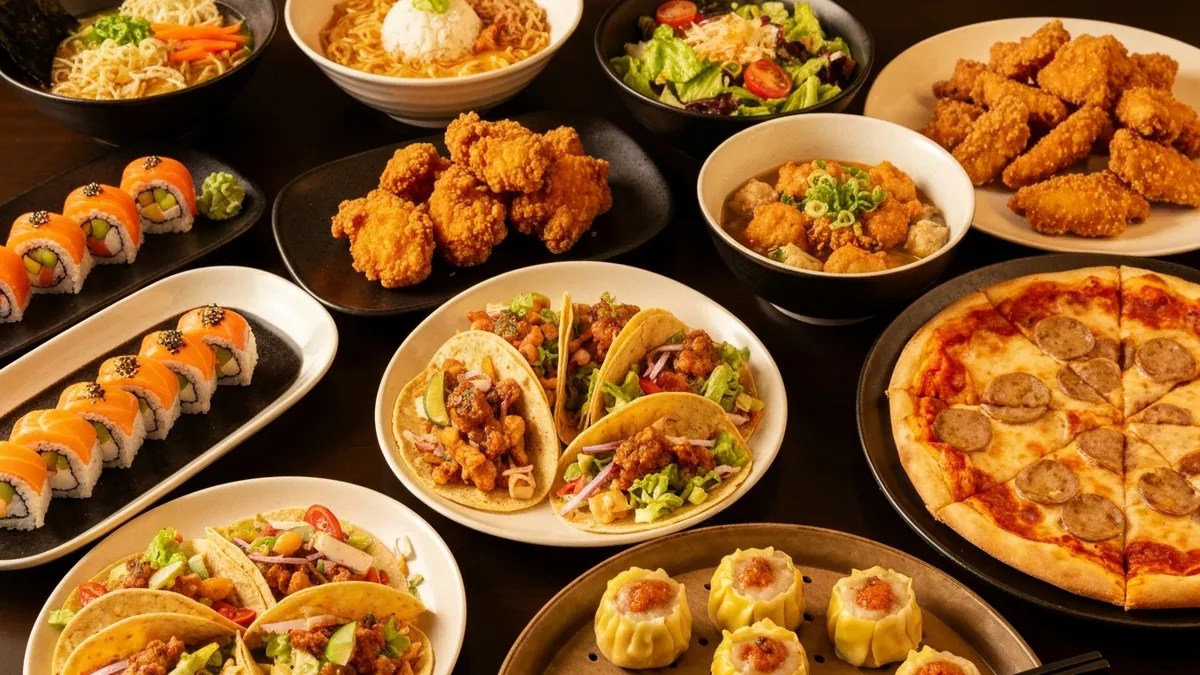
Every food lover remembers the dish that changed everything — that first bite of real pad thai, the revelation of a perfectly charred carne asada taco, or the comforting warmth of a bowl of pho on a cold day. If you have been eating the same rotation of familiar favorites, this guide is your invitation to explore. We will help you navigate unfamiliar menus with confidence, starting with the most approachable dishes in each cuisine.
1. Japanese — Beyond California Rolls
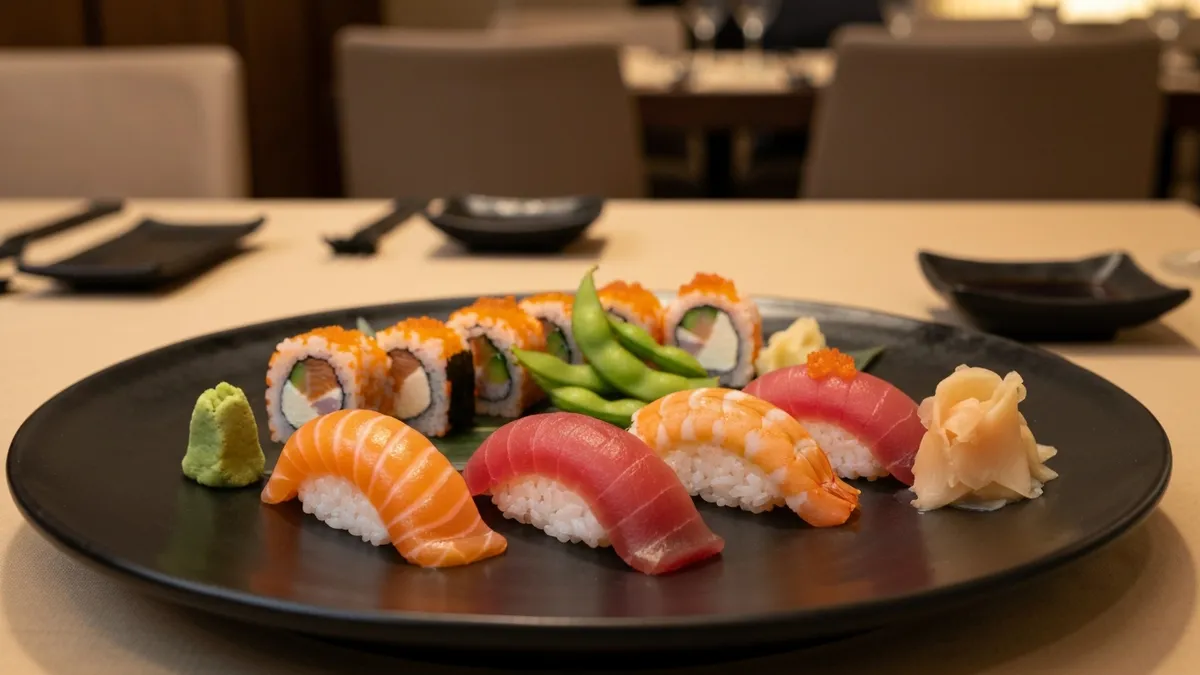
Start with: A salmon nigiri and shrimp tempura combo. Nigiri (fish on pressed rice) is the purest form of sushi — just two ingredients, done perfectly. Shrimp tempura is lightly battered, crispy, and familiar enough to anchor the experience.
Next steps: Try a chirashi bowl (assorted sashimi over rice) or a bento box that lets you sample multiple preparations in one meal.
2. Korean — The Communal Feast
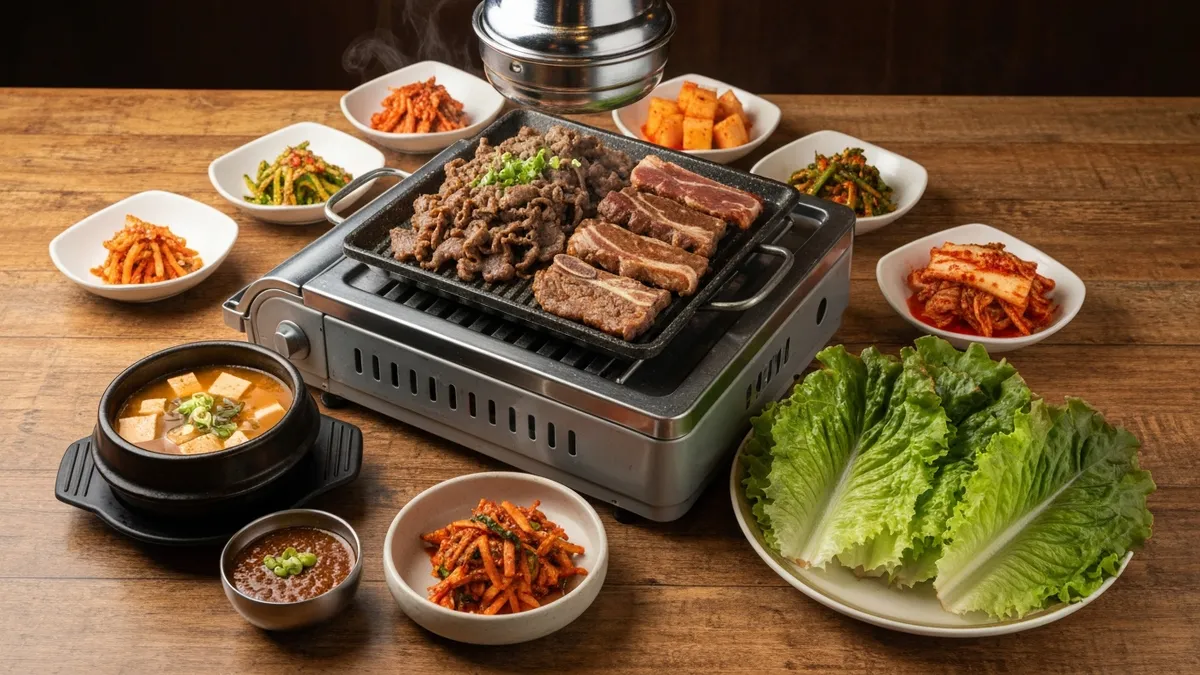
Start with: Bulgogi (sweet marinated beef) with rice. It is familiar in flavor profile — sweet, savory, slightly caramelized — while being distinctly Korean. The banchan (free side dishes) that accompany every Korean meal are an adventure in themselves.
Next steps: Korean BBQ, where you grill meats at your table, is one of the most fun dining experiences you can have. Bibimbap (mixed rice bowl) is another excellent gateway.
3. Vietnamese — Fresh and Light
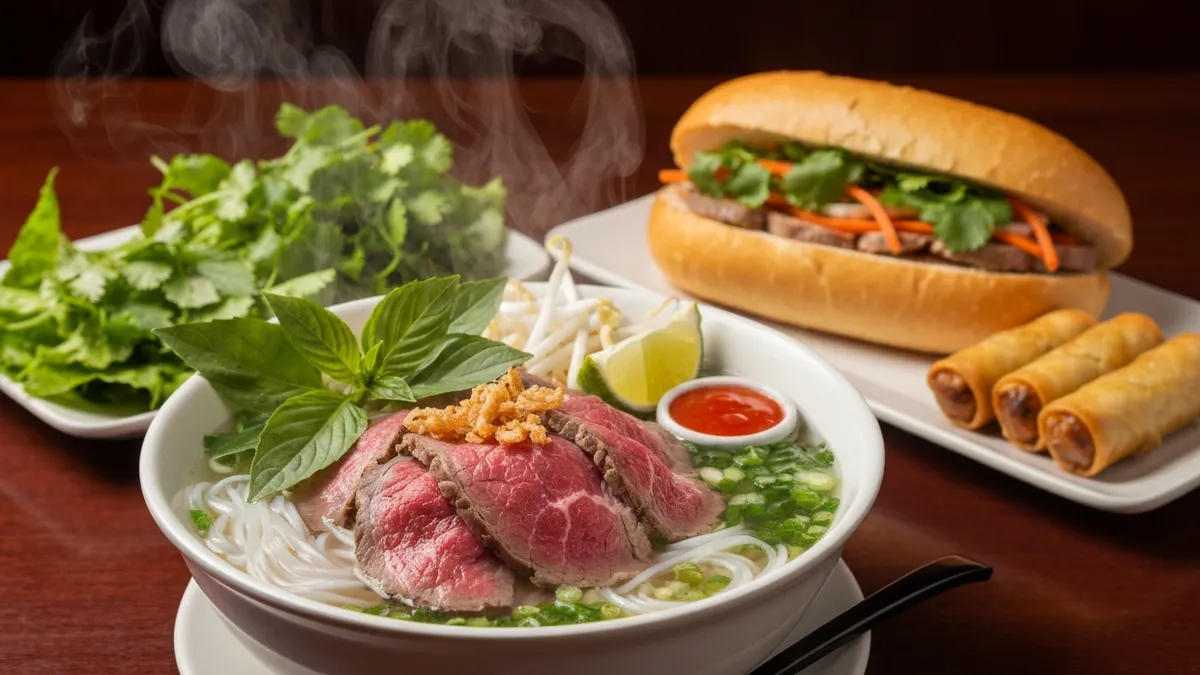
Start with: Pho (pronounced "fuh") with beef or chicken. This aromatic noodle soup is comforting, familiar in concept (it is soup and noodles), and endlessly customizable with fresh herbs, bean sprouts, and lime at your table.
Next steps: Banh mi sandwiches are Vietnamese-French fusion at their finest. Spring rolls (fresh, not fried) are light and refreshing.
4. Indian — A World of Spice
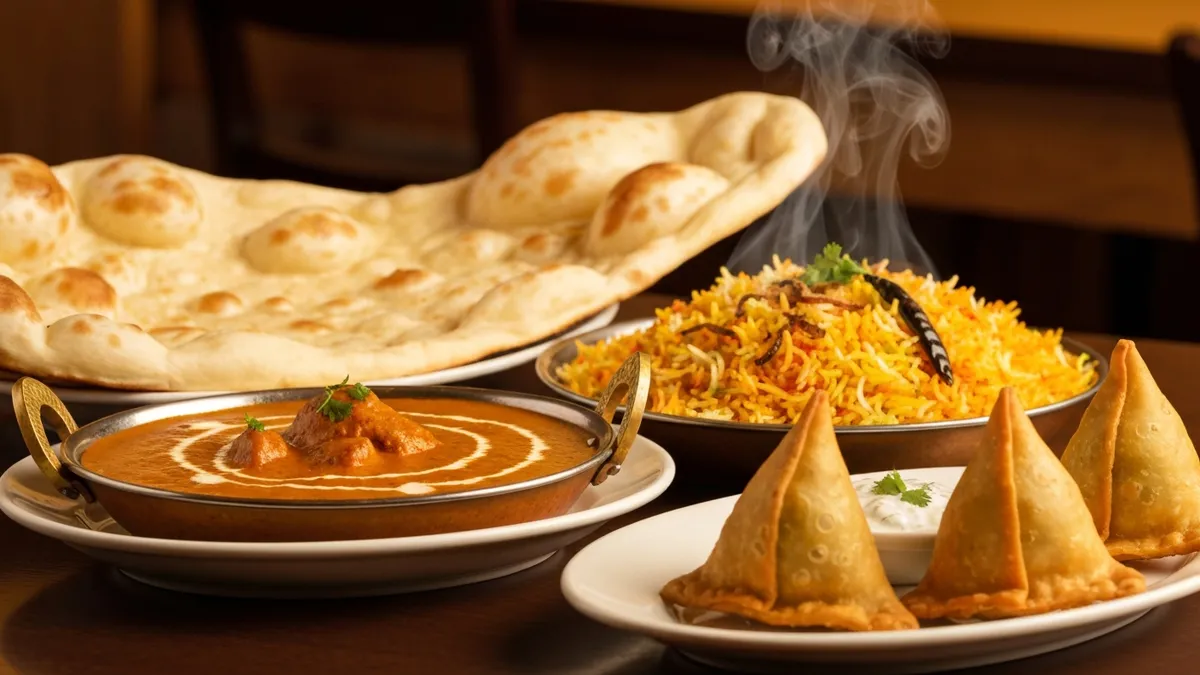
Start with: Butter chicken (murgh makhani) with naan bread. This creamy, mildly spiced tomato-based curry is the most universally liked Indian dish in America. Pair it with garlic naan for dipping, and you have a meal that will make you wonder why you waited so long.
Next steps: Tandoori chicken (smoky, yogurt-marinated, and juicy), samosas (savory pastries), and biryani (fragrant spiced rice with protein).
5. Thai — The Perfect Balance
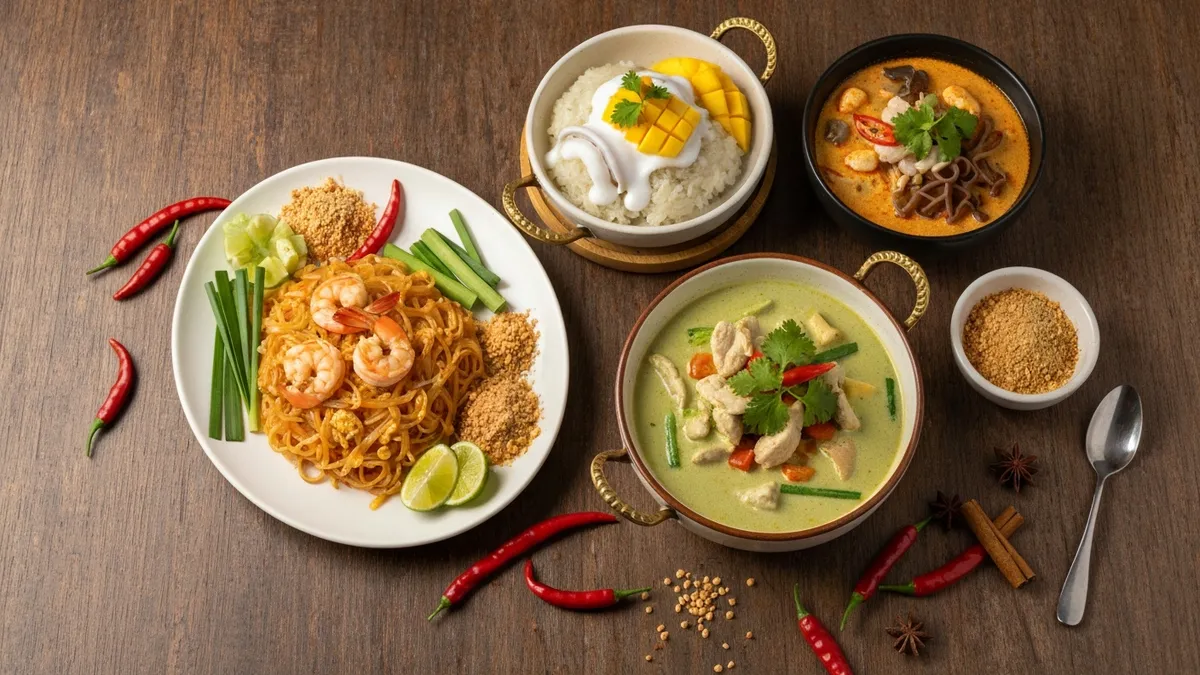
Start with: Pad thai — stir-fried rice noodles with egg, bean sprouts, peanuts, and your choice of protein. It is sweet, savory, slightly tangy, and universally appealing. Ask for mild spice if you are new to Thai food.
Next steps: Thai iced tea is a must-try beverage. Green curry is creamy and aromatic without being overwhelming. Mango sticky rice is the perfect dessert.
Why Ordering Direct Helps You Explore
When trying a new cuisine for the first time, ordering directly from the restaurant's website has a unique advantage: you can browse the entire menu with descriptions and photos at your own pace, without the pressure of a server waiting for your decision. Many restaurant websites include ingredient details and spice levels that are not available on third-party apps. Take your time, read the descriptions, and choose with confidence.
Frequently Asked Questions
What is the least intimidating way to try a new cuisine?
Start with a lunch special or combo meal. Most ethnic restaurants offer lunch sets that include multiple items at a lower price, letting you sample several dishes without committing to a single unfamiliar entree. Another great option is dining with a friend who knows the cuisine and can guide your choices.
How do I handle spicy food if I am not used to it?
Ask your server for their recommendation on mild dishes, or request that your dish be made with less spice. Most restaurants are happy to adjust heat levels. Dairy (yogurt, lassi, milk) neutralizes capsaicin better than water. Rice is also an effective spice buffer. Build your tolerance gradually — your palate will adjust over time.
What if I have food allergies and want to try a new cuisine?
Communicate your allergies clearly to the server before ordering. Common allergens vary by cuisine: Thai and Chinese food often contain peanuts and shellfish; Indian food uses dairy and tree nuts frequently; Japanese cuisine includes soy, shellfish, and wheat. Most restaurants can accommodate allergies when informed. Ordering online through the restaurant's direct platform often lets you add allergy notes to your order.
Is it rude to ask for modifications at an ethnic restaurant?
Not at all. Good restaurants want you to enjoy your meal. Asking for mild spice, no cilantro, or sauce on the side are perfectly reasonable requests. However, avoid asking for changes that fundamentally alter the dish — like requesting a pad thai without noodles. If a dish does not suit your preferences, ask your server to recommend something that does.