Blog → Eating Healthy at Restaurants: A Practical Guide W...
Eating Healthy at Restaurants: A Practical Guide Without the Guilt
You do not have to choose between eating well and eating out. These practical strategies help you enjoy restaurant meals while staying aligned with your health goals.
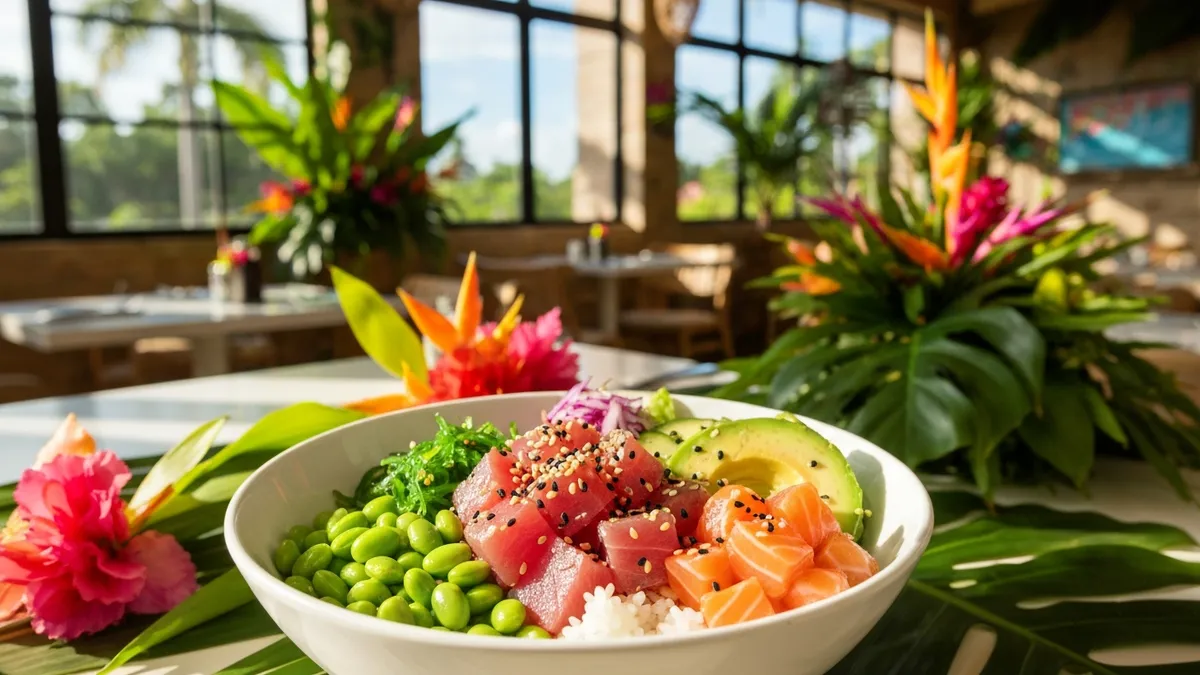
The myth that eating out and eating healthy are mutually exclusive has been thoroughly debunked. With the right strategies, restaurant meals can be nutritious, satisfying, and delicious. The secret is not deprivation — it is making informed choices that align with your goals without sacrificing the pleasure of dining.
The Healthiest Restaurant Cuisines
Some cuisines naturally align better with healthy eating goals:
- Japanese — sashimi, edamame, miso soup, and seaweed salad are nutrient-dense and portion-controlled. A typical sushi dinner provides lean protein, healthy fats from fish, and minimal processed ingredients
- Vietnamese — pho with lean proteins, fresh herb garnishes, and rice noodles offers a satisfying bowl that is lighter than most soups. Spring rolls wrapped in rice paper beat fried appetizers
- Mediterranean/Greek — grilled proteins, olive oil, fresh vegetables, legumes, and whole grains form the basis of one of the world's healthiest dietary patterns
- Indian — lentil-based dals, tandoori grilled proteins, and vegetable curries can be excellent nutritional choices. Opt for dishes marked as "tandoori" over "tikka masala" for lighter preparations
- Poke bowls — customizable bowls with raw fish, fresh vegetables, and rice let you control exactly what goes into your meal
Smart Ordering Strategies
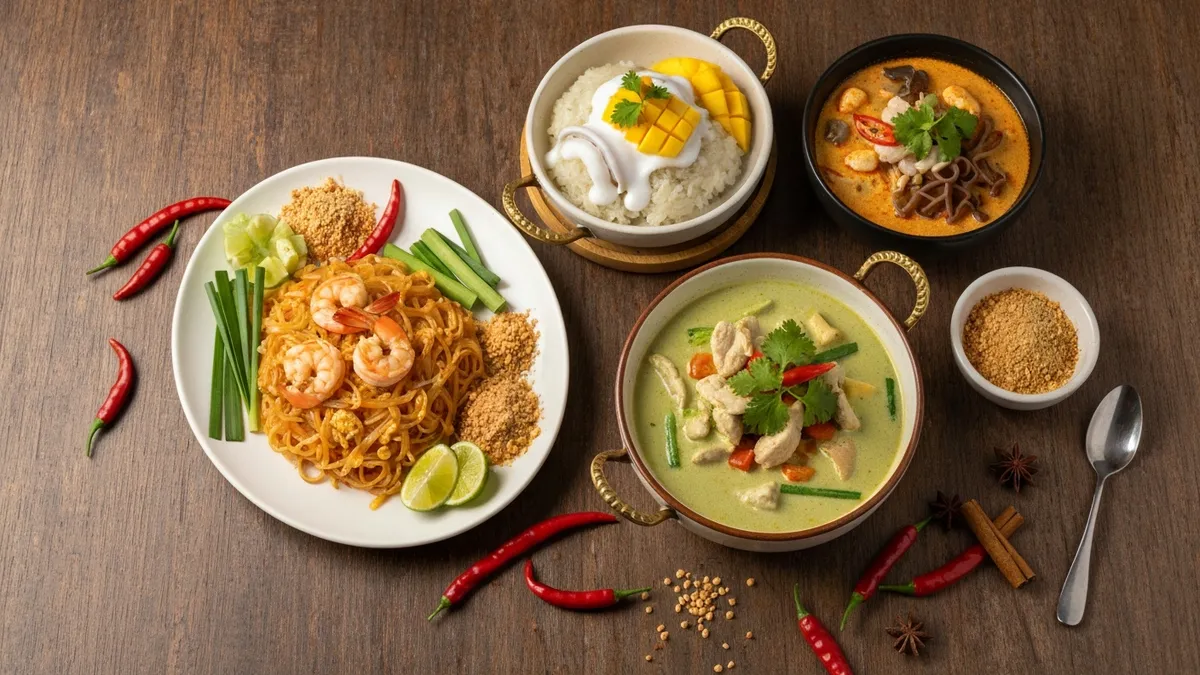
You do not need to overhaul your dining habits. Small adjustments compound into meaningful differences:
- Start with a salad or broth-based soup — research shows that starting with a low-calorie first course reduces total meal intake by 12-20%
- Choose grilled, steamed, or baked over fried — this single swap can cut 200-400 calories from a main course
- Ask for sauces and dressings on the side — dipping rather than drenching can cut sauce intake by 50-75%
- Drink water before and during the meal — thirst is commonly mistaken for hunger, and water helps with satiety
- Share a dessert — a few bites satisfy the craving without the full caloric load
Reading the Menu for Hidden Nutrition Wins
Menu language reveals a lot about how food is prepared:
- Good signs: grilled, roasted, steamed, poached, braised, fresh, seasonal, house-made
- Caution words: crispy (fried), creamy (heavy cream or butter), loaded (extra calories), smothered (rich sauce)
- Best bets: items described with specific ingredients rather than vague adjectives tend to be simpler and cleaner preparations
The Portion Reality
American restaurant portions are 2-3 times larger than standard nutritional servings. This is not a problem — it is an opportunity. Order one entree and take half home for tomorrow's lunch. You effectively get two healthy meals for the price of one. When ordering directly from a restaurant, you can often see exact portion descriptions and photos that help you calibrate your order before you arrive.
Frequently Asked Questions
What is the healthiest fast-casual restaurant cuisine?
Poke bowls and Mediterranean-style restaurants consistently rank highest for nutritional quality. Both emphasize lean proteins, fresh vegetables, healthy fats, and minimal processed ingredients. Vietnamese restaurants are another excellent option, with pho, spring rolls, and bun bowls offering satisfying meals under 600 calories.
How many calories are in a typical restaurant meal?
The average American restaurant meal contains 1,100-1,300 calories — roughly half of most adults' daily needs. However, this varies enormously by cuisine and choices. A sashimi platter might be 400 calories, while a loaded burger with fries can exceed 1,800. Using the strategies in this guide, you can enjoy restaurant meals in the 500-800 calorie range without feeling deprived.
Should I skip restaurants entirely when dieting?
No. Studies show that people who completely avoid restaurants while dieting are more likely to binge when they eventually eat out. A better approach is learning to make smart restaurant choices that become sustainable habits. The goal is a healthy relationship with all food, including restaurant meals.
Are salads always the healthy choice?
Not necessarily. Many restaurant salads contain 800-1,200 calories after accounting for croutons, cheese, nuts, dried fruit, creamy dressings, and fried protein toppings. A grilled chicken breast with steamed vegetables can be a healthier choice than a loaded Caesar salad. Check what is actually in the salad before assuming it is light.