Summer 2026 Dining Trends: How We Eat Now
Summer 2026 changed some habits that will outlast the tournament: we book bigger tables, we eat later, and we order ahead like professionals.
Three habits the Cup taught diners
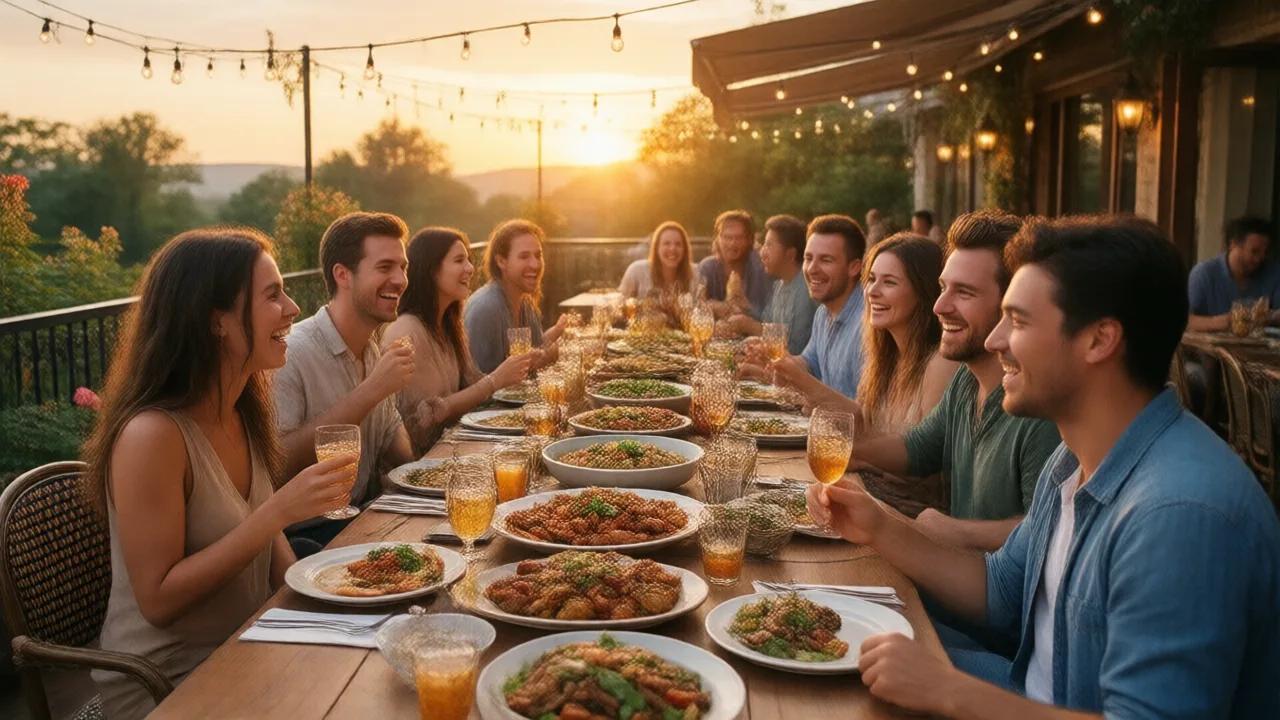
Group reservations for six-plus are the new date night; kitchens now publish "kickoff menus" that arrive in fifteen minutes flat; and the smart takeout move — order before the match, pick up at halftime — has permanently rewired how fans time their food.
Where the fans are eating
Sixteen host cities — Atlanta, Boston, Dallas, Houston, Kansas City, Los Angeles, Miami, New York/New Jersey, Philadelphia, the San Francisco Bay Area and Seattle — plus Toronto, Vancouver, Mexico City, Guadalajara and Monterrey — have spent the summer discovering that World Cup crowds eat differently. Mexican fans pack taquerias at midnight; European fans want long lunches before evening kickoffs; American families book big tables for group viewing. Neighborhood restaurants near fan festivals report their strongest weekdays ever.
The pattern for diners: book ahead on match days, order takeout before kickoff not at halftime, and check whether your favorite spot publishes a match-day menu — the short ones move fastest.
More from this site
Independent guides, updated for summer 2026. See our full article library.
Post-summer lessons from 2026 dining traffic
Summer 2026 showed how quickly restaurant demand can move between patios, takeout counters, tourist corridors, and event neighborhoods. The most useful trend for diners is not a single cuisine or ingredient; it is flexibility. Restaurants that kept online menus current, separated seasonal items from year-round staples, and published realistic pickup times were easier to trust when travel schedules, heat, and event crowds made timing unpredictable.
For future summer planning, use menus as operations clues. A short seasonal list usually means the kitchen is protecting quality. A long menu with many fried items may be fine for dine-in but less reliable for pickup. Cold drinks, salads, seafood, fruit desserts, and grilled items can be excellent in warm weather, but only when packaging and timing are right. DafaMenu can keep improving this topic by connecting seasonal dining advice to real city and cuisine pages instead of publishing generic trend language.
How to apply the trend without over-ordering
The practical summer pattern is to order earlier and choose food that handles heat, travel, and group timing. A patio dinner can stretch longer than expected, while a pickup order can sit too long if the group leaves late. Diners should choose a few stable anchors such as pizza, barbecue, rice bowls, tacos, sandwiches, or family-style noodles, then add fragile items only when pickup is close.
Restaurants also adjusted menu language after the summer rush. Short event menus, clear drink add-ons, and order-ahead windows made the strongest difference. When a menu shows a smaller seasonal section, that can be a good sign: the kitchen is telling guests which items it can execute quickly and repeatedly. DafaMenu should use this page to teach those signals rather than publish one-off trend claims.
For future summers, the page can link to city guides where DafaMenu has enough coverage and to cuisine pages where warm-weather ordering has special rules. Seafood needs freshness and timing. Fried food needs packaging. Cold desserts need a short trip. Salads and bowls need dressing control. Those details are where a dining trend becomes useful to a real person ordering dinner.
What DafaMenu should track next summer
The next useful version of this page should be tied to measurable dining signals. Which state pages received more visits during travel months? Which cuisine pages attracted crawlers before holiday weekends? Which restaurant categories produced more direct-ordering clicks after school ended or sports seasons began? Those questions are more valuable than broad trend predictions because they connect content to actual diner behavior.
For now, the editorial direction is clear: keep the article focused on seasonal ordering choices. Explain why patio weather changes wait times, why takeout packaging matters more in hot weather, why drinks and desserts need shorter pickup windows, and why families ordering after events should compare direct menus before marketplace apps. That gives the page a durable role even after the 2026 summer news cycle has moved on.
Signals worth keeping in the article
Keep examples tied to decisions a diner can repeat: order before the rush, choose heat-stable dishes for travel, call for large orders, and compare the restaurant's own menu before accepting marketplace fees. Those are not temporary summer talking points; they are durable habits for any high-demand dining season.
Reader-first summary
The useful takeaway is simple: seasonal dining changes timing, packaging, and menu availability. Order early, verify the direct menu, and choose food that matches the trip home.
One practical rule
If the meal needs to travel, choose the dish after choosing the pickup time. Timing protects quality more than almost any trend.